


Monolith
Monolith Antarctic Krill Oil for Dogs & Cats
Monolith Antarctic Krill Oil for Dogs & Cats
Every cell. Every day.
Antarctic krill oil delivering omega-3 fatty acids in phospholipid form — the same structure as your pet's own cell membranes — allowing for more efficient absorption and cellular utilisation than standard fish oil.
🇯🇵 Made in Japan 🦐 Phospholipid Omega-3 ✨ Natural Astaxanthin Human-Grade 🐾 All Life Stages
Ideal for:
- Pets with dry, itchy skin or dull coats
- Active and senior pets needing joint and mobility support
- Pets needing brain, heart, and kidney wellness support
- Puppies and kittens during growth and cognitive development
Couldn't load pickup availability
Benefits of Omega-3
Benefits of Omega-3
Omega-3 fatty acids — specifically EPA and DHA — play a role in nearly every system in your pet's body. They form part of the structure of every cell membrane, help regulate the body's natural inflammatory response, and are essential building blocks for brain and nerve tissue.Most commercial pet foods are low in marine omega-3s. Even pets eating "complete" diets may not be getting enough EPA and DHA to meaningfully support joint comfort, skin health, and brain function over the long term. A daily marine omega-3 supplement bridges that gap.
Joints & Mobility
EPA helps support the body's natural inflammatory response around joints — helping maintain comfort and flexibility in active, aging, or large-breed pets.
Skin & Coat
EPA and DHA support skin barrier function and hydration, helping reduce dryness, flakiness, and shedding while promoting a thicker, glossier coat.
Brain & Cognition
DHA is a primary structural component of neuronal membranes — essential for brain development in puppies and kittens, and helping maintain cognitive function in senior pets.
Cardiovascular
EPA and DHA help maintain a healthy balance of the body's natural inflammatory mediators — important for overall systemic wellness, skin health, and joint comfort.
Inflammatory Balance
Helps maintain a healthy inflammatory response throughout the body.
Kidney Support
Omega-3 fatty acids are considered particularly valuable in nutritional support for pets with kidney concerns. Krill oil's astaxanthin may also help reduce oxidative stress on the kidneys.
Krill Oil vs. Fish Oil
Krill Oil vs. Fish Oil
Why krill and not just any fish oil
Both krill oil and fish oil provide EPA and DHA — but the form matters.
In standard fish oil, omega-3s are bound to triglycerides, which require additional digestion and processing before the body can utilise them efficiently. This extra metabolic step that reduces the amount actually used.
In krill oil, EPA and DHA are naturally bound to phospholipids — the same structure found in your pet’s own cell membranes. This allows for more efficient absorption and cellular uptake. A randomized clinical trial found EPA and DHA from krill oil showed significantly higher bioavailability than fish oil.¹
¹ Köhler et al., Lipids in Health and Disease, 2015.
Krill oil also dissolves in water — fish oil doesn't
Fish oil separates in water and leaves an oily film on food — which many pets, especially cats, find off-putting. Krill oil is water-miscible: it disperses evenly through food and doesn't separate. This makes it significantly easier to administer and better tolerated, even by fussy eaters.
Built-in antioxidant protection
EPA and DHA oxidise quickly when exposed to air and light — producing rancid oil that loses its nutritional value and can actually be harmful. Fish oil requires added synthetic antioxidants (like mixed tocopherols or rosemary extract) to prevent this.
Krill oil naturally contains astaxanthin — one of nature's most potent antioxidants — which protects the omega-3s from oxidation without any synthetic preservatives needed.
Lower contamination risk
Krill are harvested from the pristine Southern Ocean surrounding Antarctica — one of the least polluted marine environments on earth. As tiny organisms at the base of the food chain, krill oil is also naturally lower in heavy metal accumulation compared to many large fish sources.
Why Plant-Based Omega-3s Aren’t Enough
Why Plant-Based Omega-3s Aren’t Enough
The conversion problem most pet owners don't know about
Many pet owners use flaxseed oil, chia seeds, or perilla oil for omega-3 support. These contain ALA — a plant-based omega-3 that needs to be converted into EPA and DHA before the body can use it. The problem: dogs have limited ability to make this conversion, and cats have almost none. Research suggests that even with generous ALA intake, very little EPA and DHA actually reaches the bloodstream in cats, and the conversion rate in dogs is low. Marine sources like krill oil provide EPA and DHA directly— no conversion needed.
Ingredients & Nutrient Content
Ingredients & Nutrient Content
Ingredients
Krill extract (krill oil), soft capsule shell (gelatin, glycerin)
Single active ingredient. No artificial additives, flavours, colours, or preservatives.
Nutrient Per Capsule
Each 410mg capsule contains 250mg of krill oil.
EPA: ≥ 30mg
DHA: ≥ 14mg
Astaxanthin: ≥ 32ppm
Total Phospholipids: ≥ 100mg
Omega-3 Fatty Acids: ≥ 55mg Omega-6 Fatty Acids: ≥ 7.5mg
Proximate Analysis
Crude protein: ≥27%, crude fat ≥60%, crude fiber ≤0.1%, crude ash ≤3%, moisture ≤9%
Feeding Guide & Precaution
Feeding Guide & Precaution
How to give
Capsule (Krill Oil · 180 capsules · 410mg)
Three options — choose what works best for your pet:
Give directly— offer the capsule whole. Most pets accept it readily, especially larger dogs.
Mix with food— place the capsule in the bowl. The mild seafood scent often encourages pets to eat it along with their meal.
Soak and squeeze— soak the capsule in warm water for 3–4 minutes, pierce with a pin or fork, then squeeze the oil directly over food. Best for cats, small dogs, or picky eaters.
Liquid pump (Krill Oil EX · 54 doses)
Pump directly over food once daily. No preparation needed. Each pump delivers one measured serving. Ideal for cats, small dogs, or any pet that refuses capsules. The pump format is also convenient for splitting the daily dose across two meals.
Dosage
1–2 capsules or pumps per 5kg bodyweight, once or twice daily.
When to expect results
Skin and coat improvements are typically noticed within 3–6 weeks of consistent daily use — often the first visible sign that omega-3 levels are rising. Joint mobility and energy improvements may take 6–8 weeks. Consistency matters most — daily use produces better results than occasional supplementation.
Suitable for
Dogs and cats of all ages — from post-weaning puppies and kittens through to seniors. Safe for daily long-term use. Particularly beneficial for pets with dry skin, dull coat, joint stiffness, low energy, pets on diets low in marine omega-3s, and pets needing kidney or cardiovascular nutritional support.
Precaution
Contains crustacean (krill). Krill are technically marine plankton, not shellfish — but if your pet has a known crustacean sensitivity, start with a small amount and monitor carefully.
If your pet has a diagnosed kidney, liver, or cardiovascular condition, or is on blood-thinning medication, consult your veterinarian before use. Omega-3 fatty acids may have mild blood-thinning properties at high doses. This product is a food supplement and is not intended to diagnose, treat, or cure any disease.
Storage Guide
Storage Guide
Store in a cool, dry place, away from direct sunlight.
Reseal tightly after each use
Capsules may firm slightly in cool storage — normal, does not affect quality
FAQ
FAQ
Q: My pet already eats salmon or sardines. Do they still need this?
A: It depends on how much and how consistently. Amounts of fatty fish in commercial pet food are often insufficient to meaningfully raise EPA and DHA levels. A dedicated daily supplement ensures a consistent, measured dose regardless of what varies in the food bowl from day to day.
Q: Does krill oil smell? Will my pet refuse it?
A: Krill oil has a mild natural seafood scent — noticeably less than most fish oils. Because it's water-miscible and disperses evenly through food rather than sitting on top as an oily film, most pets accept it readily. Even cats that typically refuse fish oil supplements often tolerate krill oil well.
Q: Can I give this to a pet with kidney concerns?
A: Omega-3 fatty acids are widely used in nutritional support for pets with kidney concerns. Krill oil at supplement doses is not a source of concern for phospholipid levels. The astaxanthin content may provide additional antioxidant support. Always consult your veterinarian if your pet has a diagnosed condition or is on medication.
Q: Is this the same product humans take?
A: Yes. The human version — "Shiawase Krill" — is the exact same formulation, registered as a Food with Functional Claims in Japan. What goes into your pet is the same product people take themselves.
Q: Can I give this alongside nippi Collagen or H&JIN?
A: Yes — they complement each other well. nippi Collagen supports structural connective tissue; krill oil's EPA and DHA support the body's natural inflammatory environment around joints and skin. H&JIN works on gut-immune balance; krill oil provides broader systemic omega-3 support. Together they address different layers of the same system.
Q: Can puppies and kittens take this?
A: Yes. DHA is particularly important for brain and nervous system development in young animals. Start at the lower end of the dosage range — 1 capsule per 5kg — for puppies and kittens post-weaning.
Q: How long before I see results?
A: Coat and skin improvements are typically noticed within 3–6 weeks of consistent daily use. Joint mobility and energy improvements may take 6–8 weeks. Results vary depending on your pet's baseline diet and condition — pets on very low omega-3 diets tend to show faster visible improvement.
Q: Is it safe for long-term use?
A: Yes. Krill oil is a food-grade supplement with a strong safety profile for ongoing daily use. It is designed for sustained daily nutritional support — not short-term supplementation.


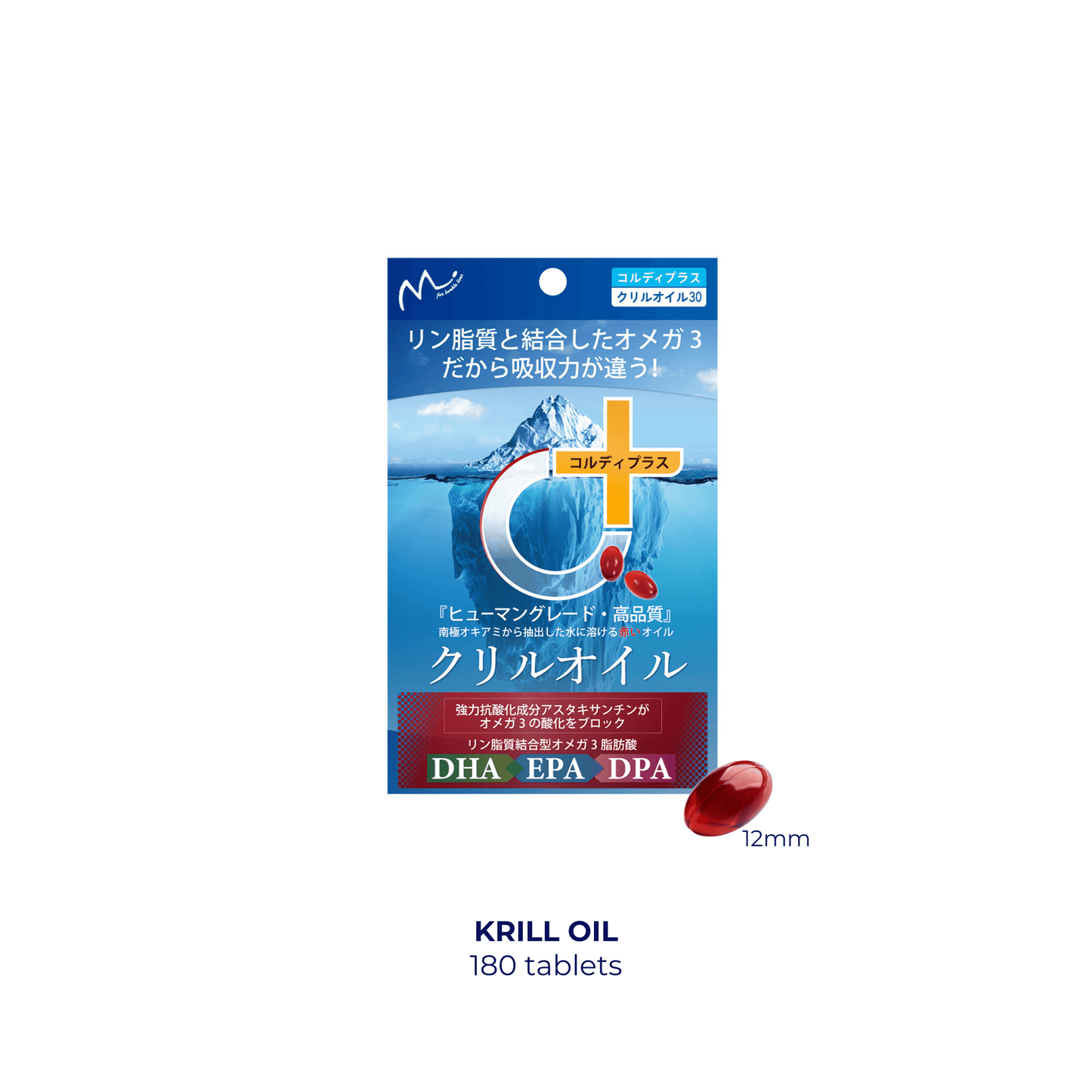
Why Monolith Krill Oil Works
-
Phospholipid-Bound Omega-3 — Absorbed 3x Better
Unlike conventional fish oil, the EPA and DHA in krill oil are naturally bound to phospholipids—the same building blocks found in your pet's cell membranes. This unique structure helps deliver omega-3s where they are needed most, supporting healthy skin, joints, brain function, and overall wellness.
-
Natural Astaxanthin — Antioxidant Protection Built In
Krill oil naturally contains astaxanthin, a powerful marine antioxidant that helps protect delicate omega-3 fatty acids from oxidation. It also helps defend cells against oxidative stress associated with aging, inflammation, and everyday environmental challenges.
-
EPA · DHA · DPA — Three Marine Omega-3s, One Daily Supplement
Monolith Krill Oil provides all three key marine omega-3 fatty acids:
🦴 EPA – Supports inflammatory balance and joint comfort
🧠 DHA – Supports brain, vision, and cognitive health
❤️ DPA – Supports cardiovascular and cellular health
Together, they provide comprehensive support for whole-body wellness.
-
Antarctic Krill — Pure Source, Naturally Low Contamination Risk
Harvested from the pristine waters of Antarctica, krill are among the smallest organisms in the marine food chain. This results in naturally lower accumulation of heavy metals and environmental contaminants compared to larger fish species commonly used in fish oil production.
-
Produced by Aker BioMarine — Global Leader in Premium Krill Nutrition
Monolith Krill Oil uses krill sourced from Aker BioMarine, a globally recognised pioneer in sustainable krill harvesting and phospholipid omega-3 research. Known for exceptional quality, purity, traceability, and sustainability standards.
-
Skin • Joint • Brain • Heart — Whole-Body Omega-3 Support
Unlike targeted supplements that focus on a single concern, marine omega-3 fatty acids support multiple systems throughout the body—making krill oil one of the most versatile daily supplements for dogs and cats.
✓ Skin & Coat
✓ Joint Mobility
✓ Cognitive Health
✓ Cardiovascular Wellness